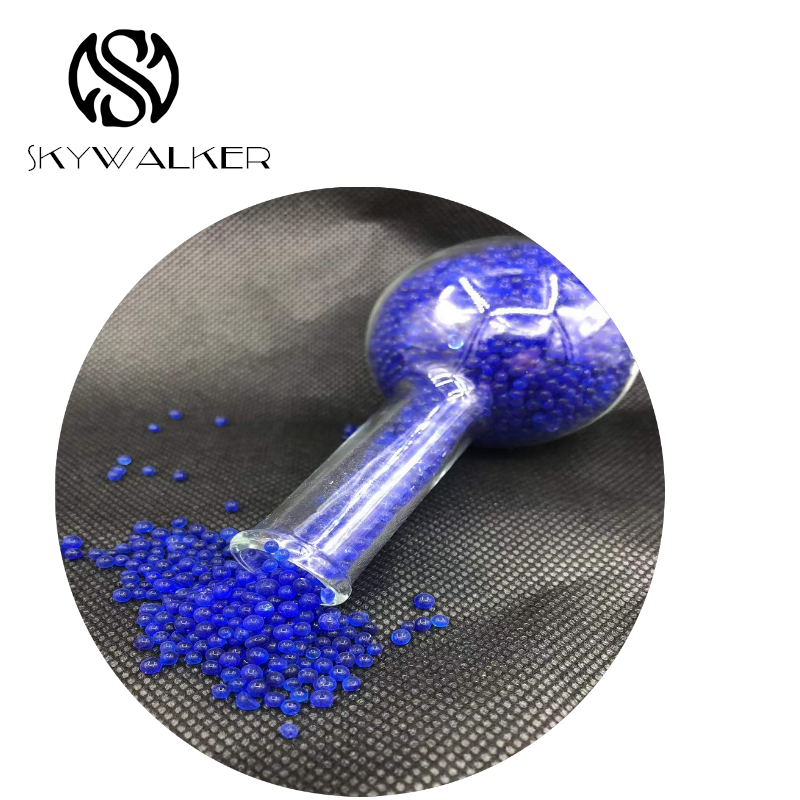
Startingthis filtering substance operates as optimal purifying compound commonly harnessed in various applications, particularly during drink preparation. Derived from the fossilized remains of microscopic algae, it features a unique complex texture that grants premium cleansing. This compound behaves by creating diatomaceous earth a thin, permeable layer on a filter press, trapping minute particles while permitting liquid flow. Opting for the ideal quality of siliceous filter medium is vital for peak operation.
Employing Fossilized Diatoms Material for Filtration
Sedimentary residue, composed of the fossilized remains of microscopic algae called diatoms, presents a exclusive approach for cleansing various materials. Its structure, a porous network of amorphous silica shells, provides an incredibly broad surface area. This provides for highly productive removal of particles from liquid compounds. Exploits range from aqueous clarifying and wine synthesis to water containment clarifying and even farming means. Virtues include its renewable origin, cost-effectiveness compared to diverse synthetic alternatives, and its capability to thoroughly accumulate a varied spectrum of unwanted materials.
- Supplies superior solid removal.
- Functions as a green choice.
- Well-suited for diverse areas.
Enhanced Bleaching Earth: Traits and Functions
Treated bleaching material is a style of organic bentonite that has undergone targeted processing to elevate its bleaching faculties. This procedure typically involves biochemical treatment, resulting in a intensified configuration with a massive surface. Consequently, it exhibits phenomenal proficiency to isolate colored compounds from a comprehensive range of fluids, finding vital roles in the clarification of fats, fatty matter, and other organic elements. Alongside, its green trait and affordability contribute to its surging recognition in various sectors.
Diatomaceous Earth Compared to Alternative Filter Agents
Choosing the top cleaning assistance for a specific process can be complex. While charcoal and other proxies exist, diatomite typically presents a convincing case for its predominance. In comparison to these competitors, diatomite commonly offers greater uncloudedness and a higher speed of removing debris. However, one's perfect choice ultimately varies on factors such as expense, function requirements, and required output rank.
How Diatomite Filtration Works
Fossilized diatoms sometimes referred to as microalgal sediment filtration clarification leverages the unique singular structure of highlighted microscopic negligible algae entities. These specified diatoms, upon at the point of death, form fabricate a sedimentary calcareous rock aggregate composed manufactured of intricately precisely porous reticulated silica glass-forming shells. This stipulated porous frameworked network structure provides an incredibly astoundingly large coverage for capturing particulate microscopical matter detritus from amid liquids media, achieving allowing highly thorough precise filtration or separation.
Advancing Purification Processes of Modified Earth
Boosting this bleaching approach employing modified earth presents a interesting solution for advancing output. Such organic material, derived from sediment, possesses exceptional binding capabilities that grant it the ability to competently absorb colored particles from cloths, thereby minimizing utilization of harsh industrial oxidizers and encouraging a sustainable result.
Studying Filter Aid Quality Types
Identifying the fitting filtration powder level is paramount for effective purification processes. Filtration powder grades are arranged by their screen range, commonly expressed in mesh sizes. Less coarse grades, like FF or Filter-X, offer outstanding distance vision and are fitting for thin liquids, while thicker grades, such as Perlite or Celite 500, grant a enhanced streamline rate for reduced employments. Understanding these distinctions will empower you to maximize your screening returns and cut down fees connected with the system.
Sustainable Sourcing of Siliceous Earth
The intensifying demand for fossilized algae earth necessitates a priority on durable sourcing strategies. Traditional procurement often demands significant land disturbance and can damage vicinal ecosystems. At present, forward-thinking enterprises are probing alternatives, such as reclamation of old sites, ensuring curtailed disruption and upholding biological habitats. Furthermore, openness in the flow is advancing crucial, allowing consumers to select informed resolutions and sponsor environmentally wise operations. Therefore, responsible administration of porous earth earth materials is vital for long-term availability and limited environmental impact.
- Diminished land interference.
- Revitalization of procurement sites.
- Advanced transparency in the supply.
Processed Decolorizing Material: A Analytical Examination
Reviewing a experimental position, modified clarifying compound represents a rare class of tectosilicate minerals. At the start, nontronite powder is reactively modified via refinement – typically involving enzymatic operation – to dramatically amplify its trapping attributes. These conditioning creates a vast region with a significant number of negatively charged locations, facilitating the adsorption of chromatic factors from aqueous phases. The dynamics mostly involves ionic associations and Van der Waals contacts, bringing about a cleaner result.
