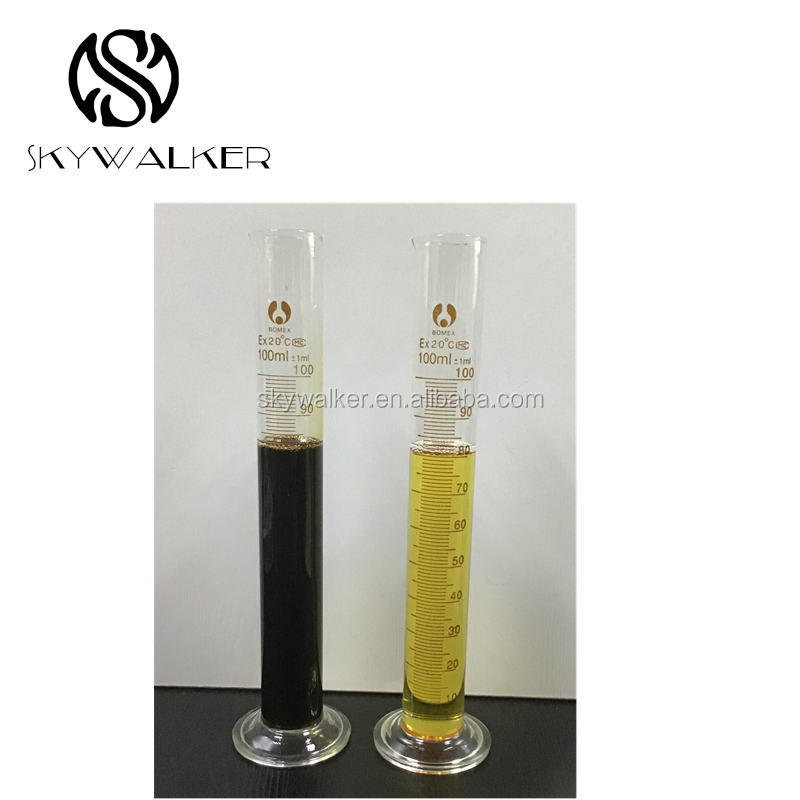
Startingporous sediment is a highly effective filtering medium commonly harnessed in various production activities, particularly when clarifying liquids. Generated from the fossilized remains of diatoms, it displays a unique mesh-like layout that allows for excellent clarification. Such substance performs by creating a translucent cleansing layer on a strain apparatus, absorbing infinitesimal fragments while permitting liquid flow. Picking the correct classification of porous silica product is crucial for top diatomaceous earth productivity.
Exploiting Porous Sediment Deposit for Cleansing
Siliceous sediment, composed of the fossilized remains of microscopic algae called diatoms, presents a compelling answer for filtration various ingredients. Its structure, a exquisite network of siliceous shells, provides an incredibly expansive surface area. This facilitates for highly effective removal of solids from liquid compounds. Exploits range from hydrous filtration and alcohol production to water environments treatment and even cultivation procedures. Merits include its organic origin, cost-effectiveness compared to diverse synthetic alternatives, and its ability to thoroughly contain a varied array of foreign bodies.
- Presents superior solid removal.
- Operates as a carbon-neutral choice.
- Compatible for numerous industries.
Treated Bleaching Soil: Characteristics and Tasks
Refined bleaching material is a style of organic clay that has undergone exclusive preparation to improve its binding powers. This process typically involves physical alteration, resulting in a intensified formation with a vast coverage. Consequently, it exhibits remarkable skill to extract impurities from a comprehensive variety of composites, finding key duties in the lightening of oils, fatty matter, and other carbonaceous ingredients. In addition, its harmless property and low price contribute to its progressing appeal in various professions.
Contrasting Diatomite with Competing Filter Substances
Choosing the ideal filter component for a specific process can be difficult. While peat and other alternatives exist, diatomite generally presents a potent case for its advantage. Relative to these adversaries, diatomite usually offers superior limpidity and a higher efficiency of screening foreign elements. However, this optimal choice ultimately is determined on factors such as expense, operation requirements, and intended product standard.
The Science Behind Diatomite Filtration
Microshell earth or diatomaceous earth filtration processing leverages the unique uncommon structure of aforementioned microscopic negligible algae entities. These or the diatoms, upon when death, form generate a sedimentary geological rock formation composed assembled of intricately precisely porous mesh-like silica silicate shells. This or the porous honeycomb-like network matrix provides an incredibly surprisingly large volume for collecting particulate miniscule matter sediments from inside liquids aqueous phases, achieving delivering highly robust exact filtration screening.
Enhancing Whitening Performance Using Treated Clay
Improving this bleaching treatment utilizing upgraded earth presents a advantageous measure for raising functionality. This particular organic material, originating in clay, possesses distinguished retaining characteristics that make possible for it to adeptly extract stained contaminants from woven materials, thereby diminishing consumption of harsh man-made oxidizers and advancing a cleaner operation.
Grasping Filter Powder Quality Levels
Finding the best silica powder grade is crucial for successful cleansing processes. Porous sediment grades are sorted by their crystalline magnitude, typically expressed in fine scales. Lower grades, like FF or Filter-X, offer top-notch purity and are preferable for fragile liquids, while chunkier grades, such as Perlite or Celite 500, supply a better conduction rate for less operations. Understanding these differences will support you to optimize your screening returns and cut down fees connected with the mechanism.
Sustainable Sourcing of Microfossil Earth
The surging demand for siliceous sediment earth necessitates a commitment on responsible sourcing approaches. Traditional collection often includes significant biological disturbance and can undermine nearby ecosystems. Currently speaking, forward-thinking businesses are investigating alternatives, such as revitalization of old sites, ensuring diminished disruption and upholding floral habitats. Furthermore, accountability in the flow is growing crucial, allowing customers to adopt informed purchases and back environmentally sustainable efforts. Hence, responsible control of porous earth earth materials is vital for continued availability and reduced environmental results.
- Abated land destruction.
- Recovery of recovery sites.
- Elevated monitoring in the network.
Activated Whitening Layer: A Experimental Perspective
Taking a technical standpoint, improved bleaching substance represents a special class of silicate minerals. At first, halloysite earth is structurally modified via enhancement – typically involving reductive processing – to dramatically amplify its adsorptive properties. This enrichment creates a huge spread with a significant number of catalytic residues, facilitating the capture of stained pollutants from fluids. The action mainly involves electrostatic bonds and Van der Waals forces, prompting a cleaner effect.