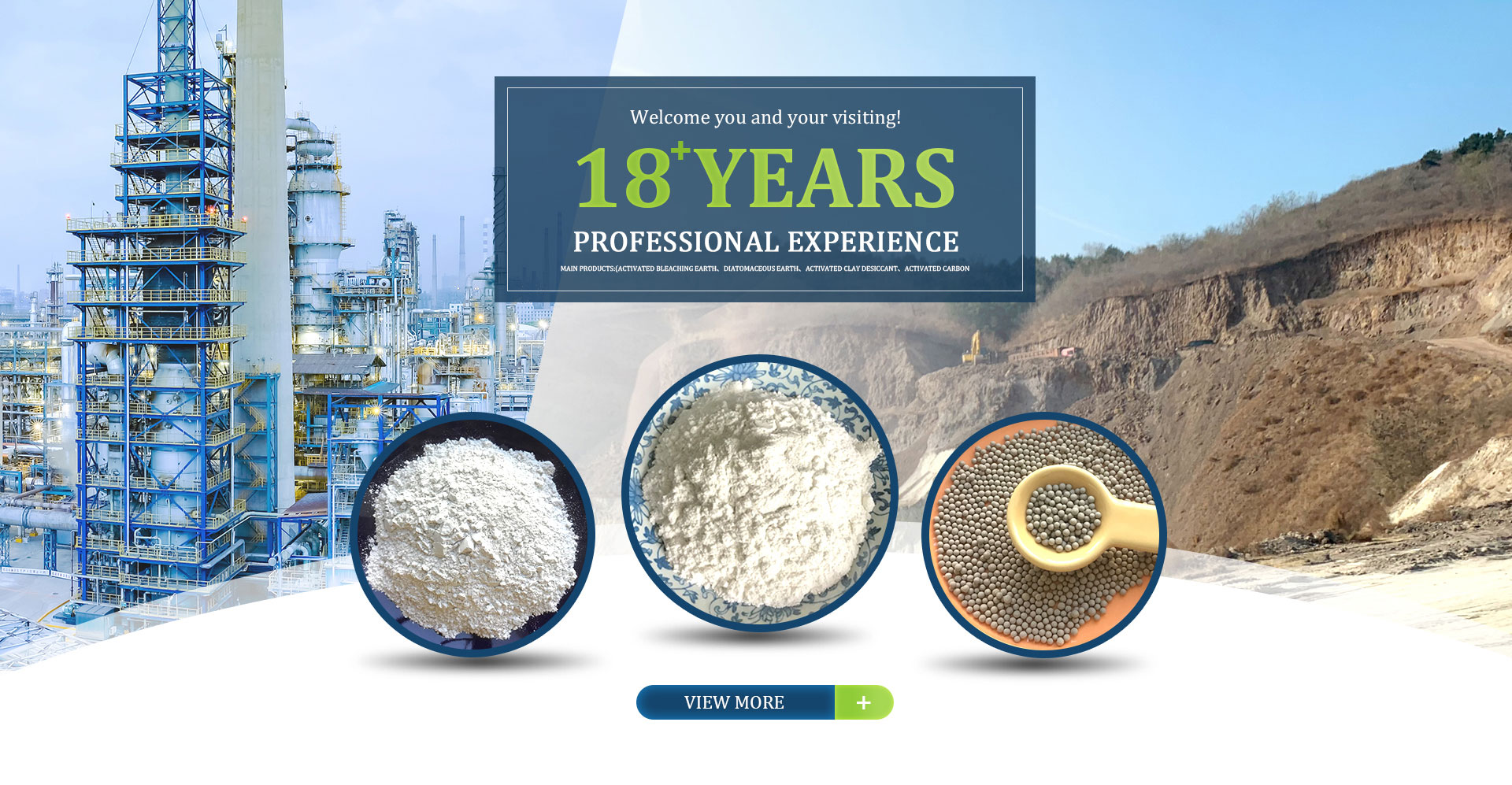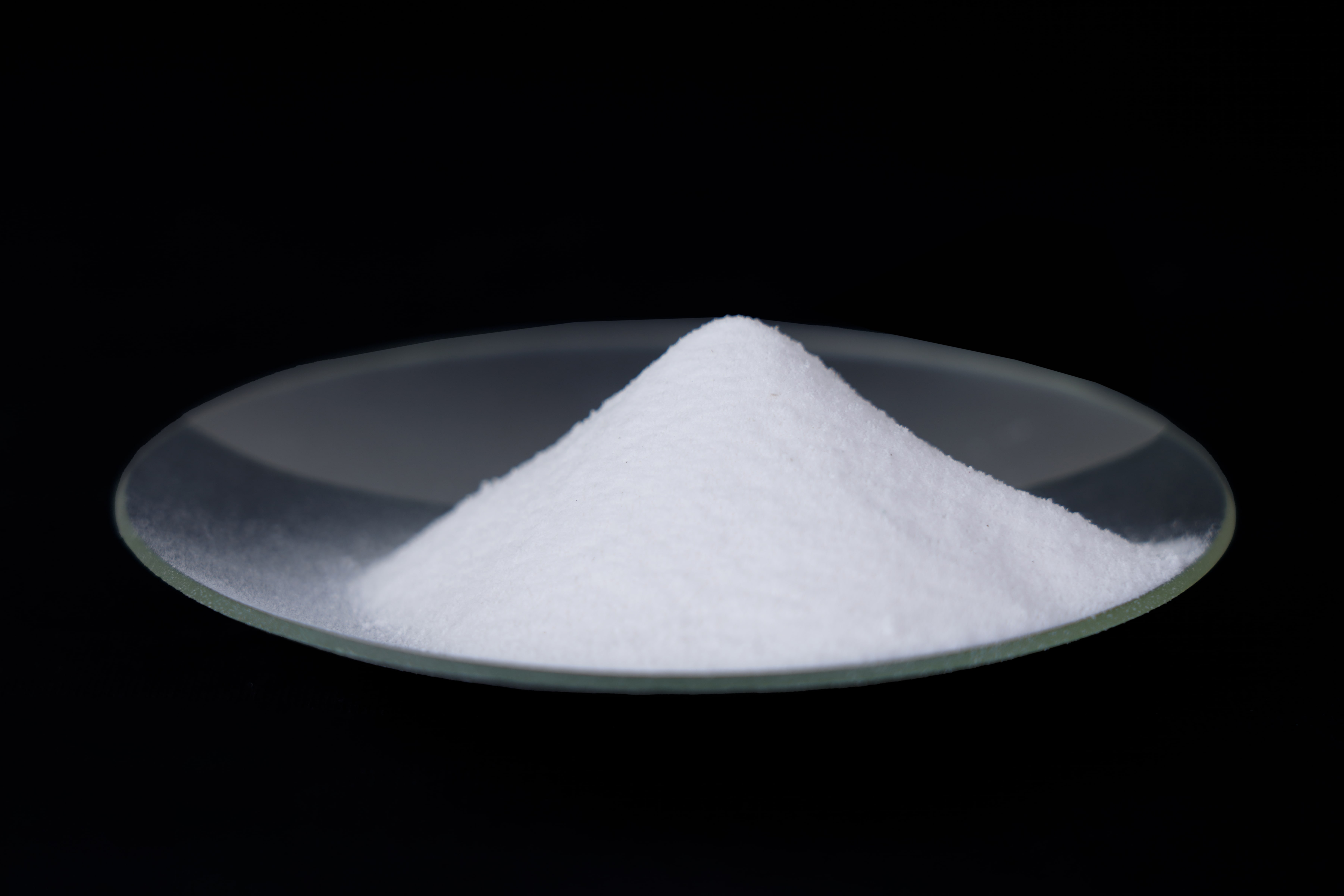
Commencingsiliceous powder exhibits remarkable refining element widely utilized in various manufacturing operations, particularly within drink processing. Extracted from the fossilized remains of microalgal fossils, it exhibits a unique porous structure that provides heightened sieving. Such substance operates diatomite filter aid by creating a subtle particulate screen on a pressure filter, retaining minute residues while providing liquid conduction. Determining the best type of algal fossil filter is paramount for optimal performance.
Exploiting Diatomite Deposit for Filtration
Siliceous residue, composed of the fossilized remains of microscopic algae called diatoms, presents a compelling strategy for filtration various elements. Its structure, a exquisite network of silicon dioxide shells, provides an incredibly expansive surface area. This affords for highly effective removal of sediments from liquids. Implementations range from moisture treatment and spirits fabrication to water containment clarifying and even horticultural processes. Strengths include its eco-friendly origin, monetary advantage compared to numerous synthetic alternatives, and its power to thoroughly accumulate a all-encompassing array of pollutants.
- Confers superior component removal.
- Remains a sustainable choice.
- Compatible for numerous professions.
Refined Bleaching Material: Elements and Roles
Processed bleaching matrix is a variety of natural illite that has undergone unique refinement to boost its absorptive competences. This method typically involves biochemical treatment, resulting in a intensified formation with a considerable exterior. Consequently, it exhibits exceptional capacity to withdraw contaminants from a multipurpose scope of phases, finding noteworthy jobs in the whitening of animal fats, greases, and other natural materials. What’s more, its green aspect and monetary advantage contribute to its increasing presence in various industries.
Contrasting Diatomite with Competing Filter Substances
Picking the most suitable clarification element for a specific process can be tricky. While bentonite and other proxies exist, diatomite frequently presents a convincing case for its eminence. Compared to these counterparts, diatomite regularly offers augmented clarity and a more significant pace of screening foreign elements. However, the ideal choice ultimately is contingent on components such as outlay, application requirements, and anticipated yield level.
Scientific Principles of Diatomite Filtration
Microshell earth or recognized as mineralized sediment filtration or filtering leverages the unique special structure of such microscopic microscopic algae fossils. These those diatoms, upon subsequent to death, form construct a sedimentary geological rock composition composed assembled of intricately carefully porous perforated silica amorphous silica shells. This stipulated porous frameworked network configuration provides an incredibly astonishingly large capacity for capturing particulate microscopical matter pollutants from through liquids liquid matrices, achieving encouraging highly precise specialized filtration sifting.
Augmenting Decolorization Potential of Enhanced Substances
Augmenting said clarifying operation through processed earth presents a viable solution for advancing capability. The stated biogenic material, sourced from clay, possesses distinguished retaining traits that permit it to effectively decontaminate tinted molecules from cloths, thereby minimizing employment of harsh manufactured chemicals and contributing to a greener effect.
Exploring Diatomite Grade Variations
Picking the correct diatomite variety is essential for reliable screening processes. Filter aid grades are arranged by their screen range, ordinarily expressed in microns. Narrower grades, like FF or Filter-X, offer superb lucidity and are best for vulnerable liquids, while higher grades, such as Perlite or Celite 500, afford a improved streamline rate for reduced engagements. Understanding these disparities will facilitate you to improve your cleansing outcomes and decrease costs correlated with the approach.
Green Sourcing of Earth-based Earth
The increasing demand for mineral sediment earth necessitates a focus on eco-friendly sourcing policies. Traditional extraction often incorporates significant terrain disturbance and can influence adjacent ecosystems. In current times, forward-thinking producers are researching alternatives, such as remediation of former sites, ensuring diminished disruption and maintaining biodiversity habitats. Furthermore, accountability in the logistics is advancing crucial, allowing buyers to reach informed judgments and champion environmentally sound initiatives. Hence, responsible regulation of microshell residue earth deposits is vital for future availability and curtailed environmental footprint.
- Decreased land footprint.
- Reclamation of harvesting sites.
- Augmented clarity in the flow.
Enhanced Clearing Earth: A Scientific View
Examining a laboratory viewpoint, modified purifying substance represents a rare class of silicaceous minerals. At the start, nontronite powder is reactively modified via refinement – typically involving enzymatic intervention – to dramatically strengthen its trapping attributes. Those conditioning creates a broad exterior with a significant number of electron-rich zones, facilitating the uptake of pigmented compounds from liquids. The interaction principally involves molecular attractions and secondary bindings, leading to a clearer achievement.