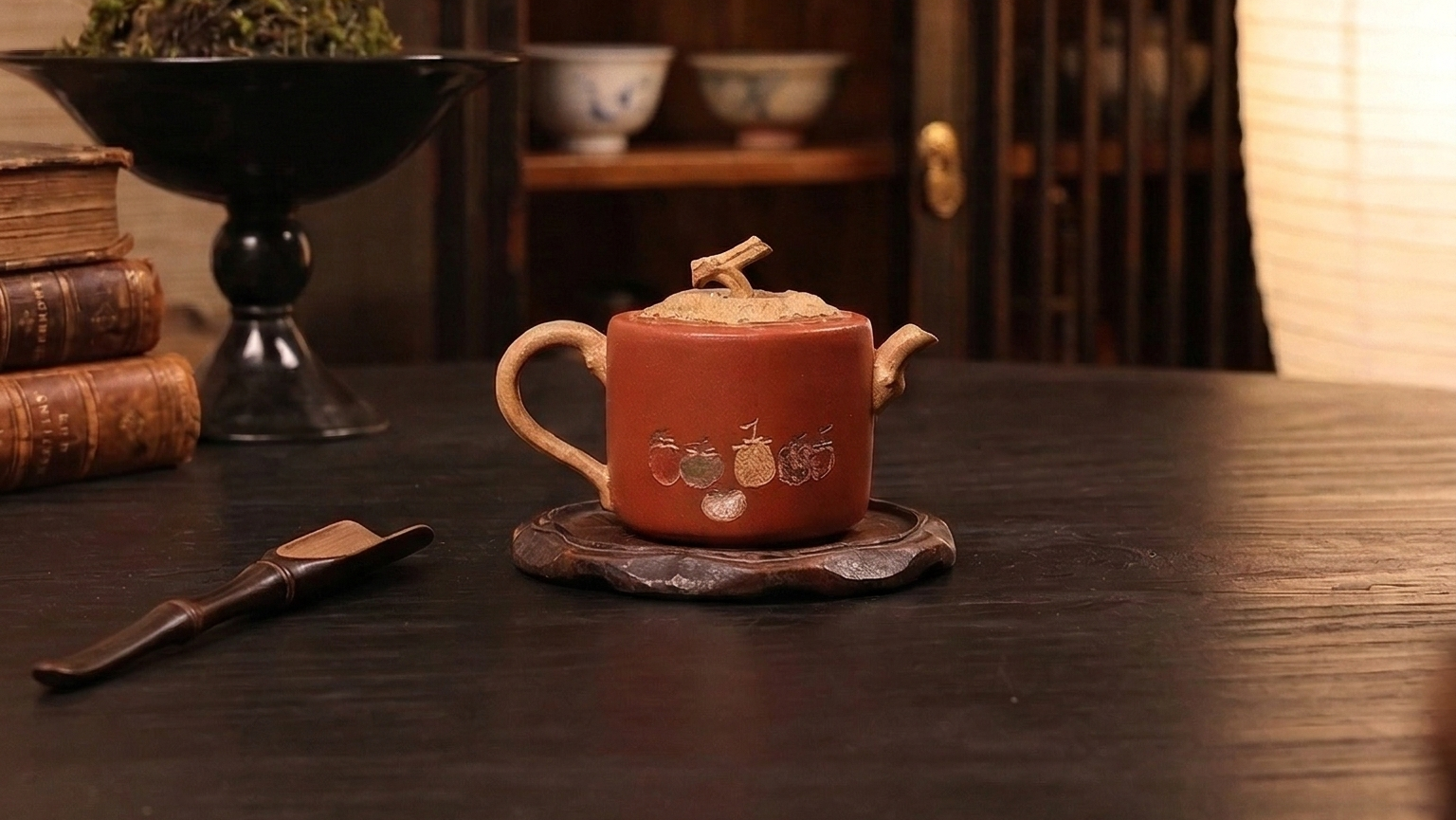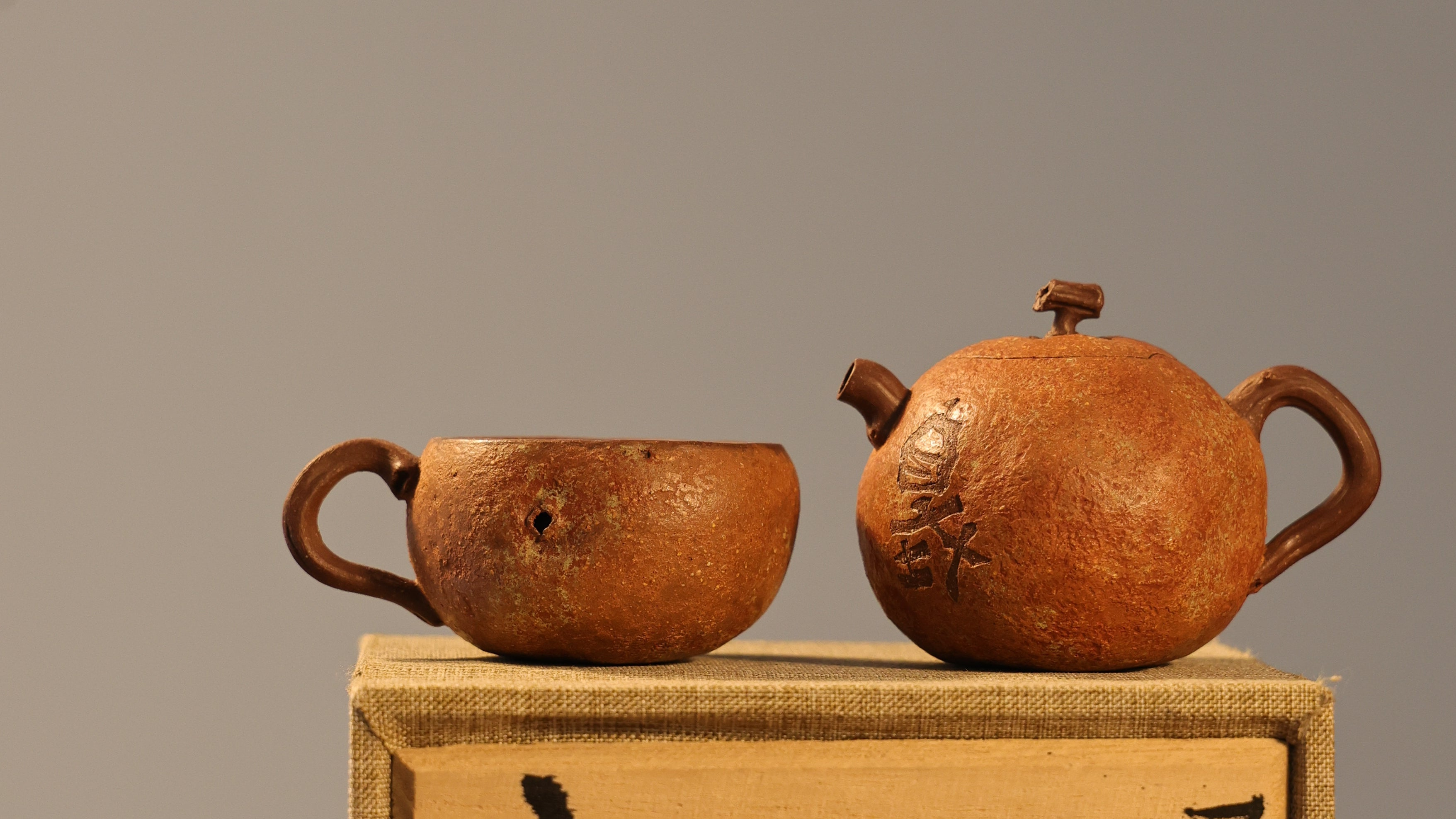
Periods in experts have long favored the exclusive allure of Yixing Zisha kettles. Coming in the modest town of Yixing, the territory, these urns are constructed from a scarce and dug purple clay recognized for its superior thermal features and capability to boost the taste of tea. Beyond their valuable appeal, Zisha teapots exemplify a vast heritage legacy, rendering them considerably admired and a legitimate jewel for any serious teapot enthusiast.
Surveying Yixing Containers
Authentic teapots represent a remarkable unification of history and masterful craftsmanship. Coming in Yixing, Jiangsu Province of China, their narrative originates in the Ming Dynasty, although documentation suggest earlier manifestations. The rare plum clay, called Zisha, found only in the Yixing region, is the vital component, contributing to the pots' remarkable heat preservation and the manner they influence the character of tea. Lineages of potters have perfected techniques—often conveyed through families—including forming the clay, applying sophisticated embellishments, and firing the pots at regulated temperatures.- Traditionally, Yixing teapots were often beautified with simple designs.
- Over time, more complex carvings and decorative motifs became common.
- The baking procedure itself is a vital element, requiring extensive periods of competence.
Curating Zisha Teapots: Crucial Checkpoints
Initiating a mission to obtain Zisha pitchers can be pleasurable, but it’s fundamental to grasp what to inspect. Authenticity is vital; focus on the soil’s natural tone, a muted reddish-brown is typical. Examine the quality; genuine Zisha has a remarkable tactile sensation, often defined as slightly rugged. The form should be harmonious and consistent with established styles, while signatures, if present, require diligent examination for veracity. Don’t refrain to consult with skilled consultants or established contacts – their understanding is invaluable.
Traditional Containers: Researching the Heritage of this Yixing Clay
Eons have seen Yixing Zisha teapots occupy a distinguished role in Chinese custom. These artfully designed pots, sourced uniquely from the zone of Yixing, are celebrated for their identifiable cast, nature, and their ability to develop the flavor of liquids. Scores of collectors desire antique Yixing teapots, appreciating them deeply not only for their aesthetic elegance, but also for the background they portray.
Yixing Zisha Teapots: Unique Foremost Selections and Their Aspects
Yixing Ceramics teapots, developed in the Yixing area of Yixing, the People’s Republic, are renowned for their unique clay and exceptional brewing capabilities. Among the countless Zisha types, prominent sorts that are highly respected include Mingzhong. Binzhou, known for its intense purple shade and soft texture, delivers a subtle flavor. Duan Ni clay, recognizable by its brownish color and slightly grainy feel, is believed to enhance a richness. Lastly, Zhuni faction boasts an scarce scarlet tone and can impart a nice nuance. Each sort grants a unique experience, rendering them considerably desirable between brew enthusiasts.
Achieving The Artisan Container
To discover the magic of your Yixing urn, comprehending the correct procedure is essential. These clay pitchers, celebrated for their filtering ability, will progressively accept the soul of the tea you prepare within them. Begin by rinsing the pitcher thoroughly with clean water. Then, use only select natural leaf tea, as lower quality options can harm the pot’s delicate notes. Always let the leaves to grow completely, and remember that with each infusion, your Yixing teapot will become gradually unique.
Conserving Your Priceless Zisha Treasure
Proper treatment for your Zisha teapot is crucial to extending its value and significance. Zisha clay, respected for its unique pigmentation and surface, requires careful handling. Purple Clay Teapot Never use intense chemicals, as these can undermine the glaze. After every utilization, rinse the kettle with gentle warm water and allow it to ventilate completely.
- Decline soaking the teapot for extended stretches.
- At intervals use a soft fabric to maintain the exterior.
- Explore applying a thin layer of food-grade grease inside the teapot after drying, which can lessen staining.
Getting Started with Yixing Kettles
Yixing teapots, originating from the Yixing territory in Jiangsu Province, in the People's Republic, are celebrated for their distinctive attributes. Created from the unique purple substance known as Zisha, these vessels are prized by infusion enthusiasts worldwide. This primer will plainly explain the principles – covering classes of Zisha ground, prevailing shapes, and important care recommendations. Understanding the roots of Yixing jars can improve your appreciation for this time-honored example of Far Eastern civilization.
Craft of Yuan Vessels: Emphasizing Zisha produced in Yixing
Zisha pottery from the Yixing area represents the summit of Oriental pitcher design, demonstrating a uncommon blend of earthy beauty and useful artistry. These outstanding pieces are famed for their deep color schemes, often including deep purples and brown hues to gentle greys and light beiges. The distinct mineral composition of the area’s Zisha ground imparts a unique texture and creates a pleasing aroma that enhances the comprehensive concoction experience, contributing to them strongly prized collectibles and vital components of any serious custom.